
Puloon ATMs in Kentucky: Reliable Cash Access That Helps Local Businesses Grow
- December 24, 2025
- admin
- 5:20 am
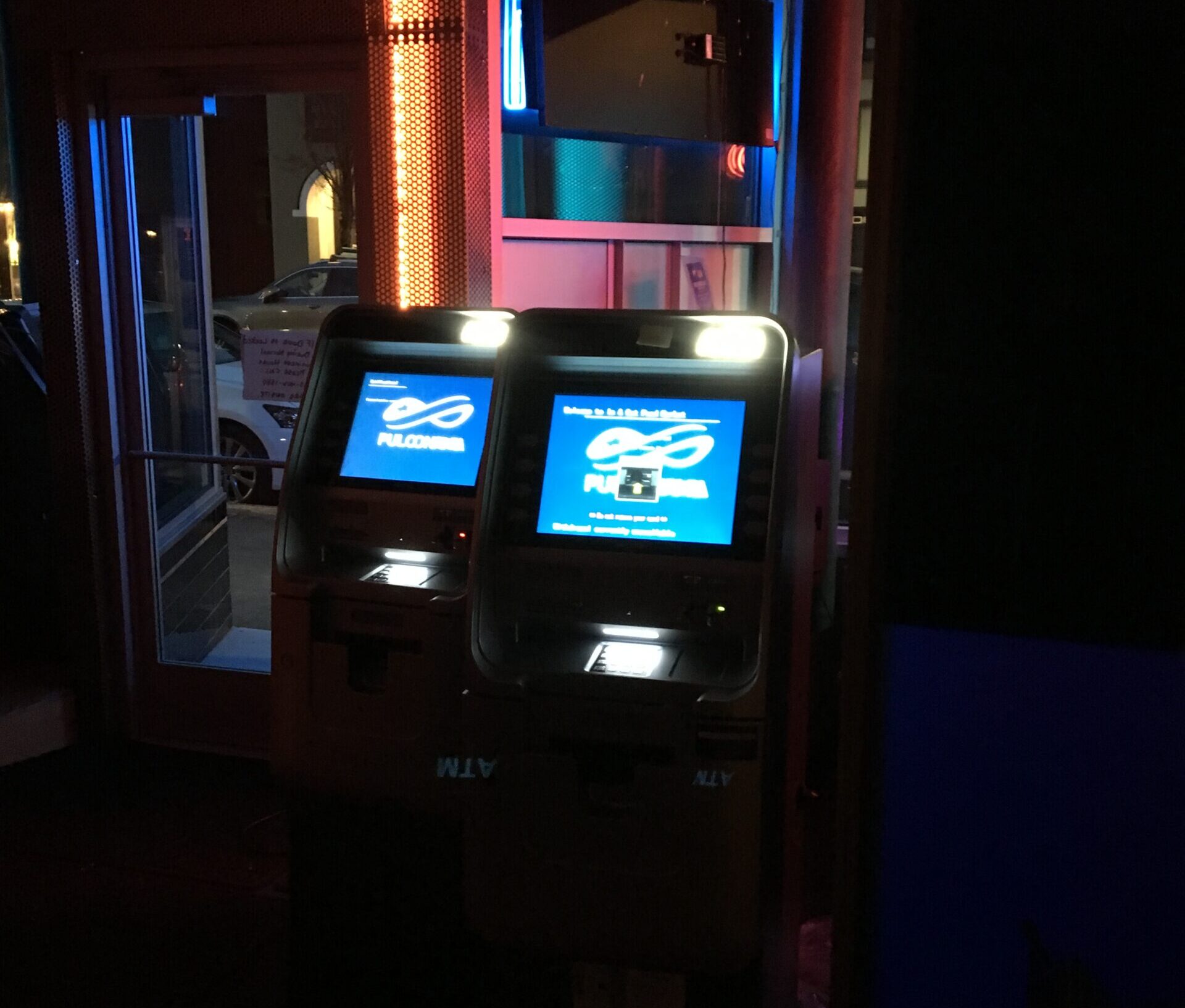
Kentucky businesses succeed when convenience is built into the customer experience—especially in industries where speed, foot traffic, and impulse purchases drive daily revenue. From neighborhood convenience stores and gas stations to bars, restaurants, event venues, and hospitality properties, customers still need quick access to cash for tips, cover charges, small purchases, and cash-preferred services. That’s why choosing the right ATM matters. A Puloon-powered ATM setup can be a practical upgrade for Kentucky locations that want dependable performance, smoother transactions, and fewer disruptions. When your ATM works consistently, it becomes more than a machine in the corner—it becomes a service your customers rely on, and a steady opportunity for your business to earn while improving on-site convenience.
Why Puloon ATMs Make Sense for Kentucky Locations With Real Foot Traffic
Kentucky is a state with diverse business demand: high-volume city corridors in Louisville and Lexington, strong commuter routes, college-area traffic, and tourism-driven spending tied to events, weekends, and seasonal travel. In these environments, an ATM needs to do one job extremely well—process transactions reliably without turning into a recurring operational problem. Puloon mechanisms are widely recognized in the ATM industry for consistent cash handling and durability when paired with a properly planned setup. For Kentucky businesses, that can translate into fewer “out of service” interruptions, smoother dispensing, and a better customer experience during peak hours—when the line is long, the crowd is busy, and people want quick cash access without delays.
What matters most is how that reliability affects your business outcomes. Customers won’t keep trying a machine that fails, runs slowly, or feels unreliable—especially when alternatives exist nearby. A stable, well-performing ATM helps reduce walk-outs, improves transaction completion rates, and supports repeat visits because customers remember which locations are easy to use. If your Kentucky business depends on local loyalty, traveler convenience, or weekend rush cycles, dependable equipment becomes part of your brand experience. The more seamless it feels to get cash at your location, the more likely customers are to spend on-site instead of leaving and possibly not returning.
The Real Business Benefit: More Convenience, More Completed Purchases
An on-site ATM changes customer behavior in simple ways that add up. When people can access cash quickly, they’re more likely to finish purchases immediately—especially in Kentucky environments where cash still matters: tipping at bars and restaurants, paying for small-ticket items, buying from local vendors, or handling cash-only services. Without cash access, customers often delay the purchase (“I’ll come back”) or choose a different business that solves the problem faster. When your business provides that convenience, you reduce friction and increase the chance that spending happens right where the customer already is—inside your location.
This is why an ATM is often more than a revenue add-on. It supports the entire customer journey: fewer payment interruptions, fewer staff distractions (“Where’s the nearest ATM?”), and a smoother flow at checkout or service points. For Kentucky businesses with high foot traffic—convenience stores, gas stations, nightlife, hospitality, and entertainment zones—the value is both direct and indirect. Direct value can come from transaction-driven income, while indirect value shows up as increased on-site spending, higher customer satisfaction, and improved repeat traffic. When a machine performs reliably, it becomes part of how customers remember your location: easy, convenient, and worth returning to.
Choosing the Right Setup in Kentucky: Buy, Lease, or Placement Options
Kentucky businesses don’t all need the same ATM path, and that’s where a practical service stack matters. Some owners prefer to buy an ATM for long-term control and ownership benefits. Others choose to lease because it reduces upfront investment and keeps costs predictable—useful for new businesses, growing locations, or operations managing seasonal traffic swings. And for certain high-traffic locations, free ATM placement can be an option—but only when the site truly qualifies. The “free” part should always come with real requirements: consistent foot traffic, safe and accessible placement space, clear operating hours, and expected transaction volume. When those conditions are present, placement can be a strong business arrangement; when they’re not, buying or leasing is usually the more realistic route.
What makes the difference in Kentucky is aligning the option with the environment. A busy retail stop with steady daily traffic may benefit from ownership. A venue or seasonal business may prefer leasing flexibility. A festival-heavy calendar or event-driven market may lean toward short-term rentals. The right approach is the one that keeps your ATM reliable, keeps customer experience smooth, and keeps your costs aligned with your business model—without overpromising outcomes. When you match your ATM plan to your traffic patterns, you avoid the most common issue businesses face: a machine that technically exists, but doesn’t perform consistently enough to be worth it.
Keeping the ATM Profitable: Processing, Monitoring, and Service Support
ATM performance isn’t just hardware—it’s also the operational layer behind the scenes. Processing stability, connectivity, and support response time are what protect your earnings and your customer experience. In Kentucky, where many businesses operate long hours (including late nights for nightlife or early mornings for commuter traffic), support needs to be responsive and practical. If a machine is slow, declining transactions, losing connection, or showing recurring error messages, customers notice immediately—and they often blame the location, not the ATM brand. That’s why strong ATM programs include reliable processing support, monitoring-driven awareness, and service pathways that reduce downtime.
A stable setup helps prevent the most damaging scenarios: repeated declines during peak hours, “out of cash” frustrations, or a machine that sits offline for days. With the right approach, you can keep the ATM customer-ready—software updated, common issues addressed early, and repair/service coordination available when needed. This supports trust, because customers return to the ATM that works. For a Kentucky business, that trust translates to repeat transactions, consistent usage, and a stronger convenience reputation in the local market. The result isn’t just an ATM that exists—it’s an ATM that performs like a dependable utility inside your business.
A Kentucky-First ATM Strategy: Where Puloon Fits Best and Why It Works
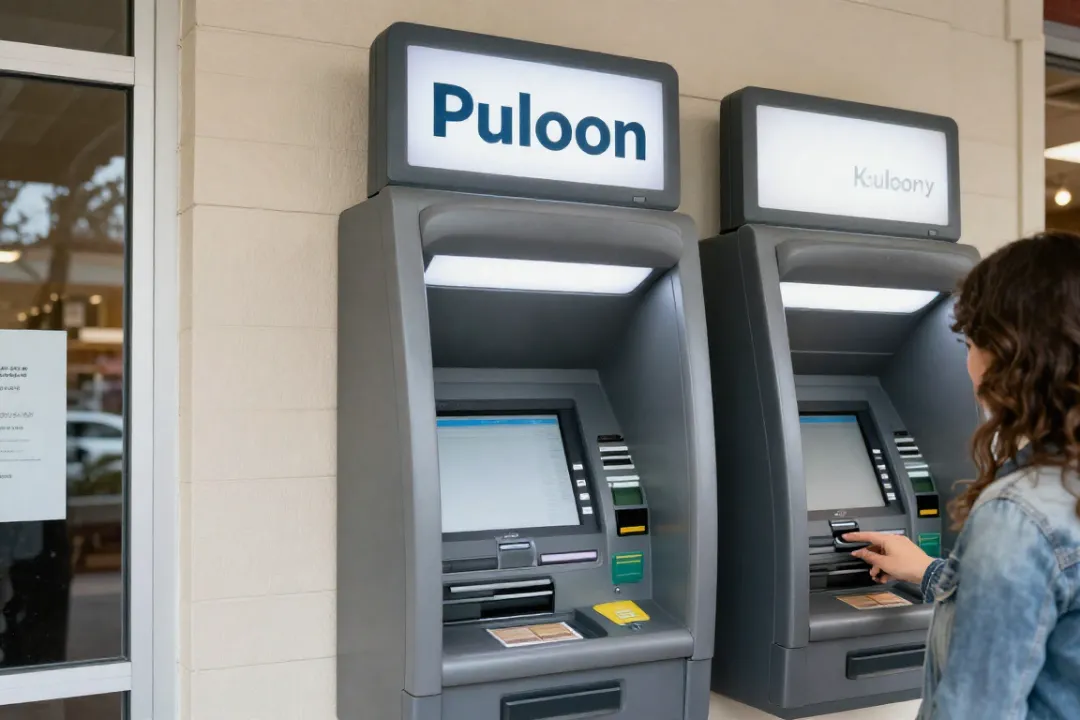
Puloon-based ATM setups are often a strong fit for Kentucky businesses that need consistent cash handling and dependable day-to-day performance. The best matches are typically locations where cash demand is regular and predictable: convenience stores and gas stations, bars and restaurants, hotels and hospitality, entertainment venues, and busy retail corridors. These environments benefit from equipment that can handle repeated use without frequent interruptions—because “down time” doesn’t just reduce transactions; it reduces customer confidence and sends people elsewhere. When your ATM works smoothly, it supports your broader business goals: higher satisfaction, more completed purchases, and repeat visits from customers who value convenience.
If you’re building an ATM plan in Kentucky, the smart move is to start with reality: your location type, traffic consistency, operating hours, placement space, and expected usage. From there, choose the best path—buy, lease, qualifying placement, repairs/service, processing support—and keep the program focused on reliability. When a machine is chosen and supported correctly, it becomes a long-term advantage. And in local markets, advantages stack: convenience earns loyalty, loyalty earns repeat spending, and repeat spending helps businesses grow—one transaction at a time.