Buy, Lease or Rent ATMs in Kentucky | atmskentucky.com

Categories
Blogs

Why ATMs Spark Impulse Spending for Kentucky Small Businesses

How an On-Site ATM Triggers Impulse Buying in Kentucky Small Businesses

Impulse buying isn’t always about flashy marketing—it’s often about removing friction at the exact moment a customer wants to buy. In Kentucky small businesses, that friction commonly shows up as “I don’t have cash” or “I’ll come back after I find an ATM.” The problem is that customers don’t always come back. When you add an on-site ATM, you solve the cash barrier immediately, which helps customers complete purchases on the spot—especially in environments where tips, small add-ons, quick-service items, and cash-preferred services are common. From Louisville and Lexington to Bowling Green, Owensboro, Covington, and smaller local markets, an ATM can influence buying behavior in subtle but measurable ways: it keeps customers inside the business longer, increases the likelihood of add-on purchases, and supports smoother spending during busy hours and weekend rushes.

ATMs Remove the “Cash Gap” That Kills Spontaneous Purchases

Impulse buying depends on timing. A customer sees something they want—an extra snack, a quick upgrade, a souvenir, a small service add-on—and they make a decision in seconds. But if payment becomes inconvenient, the decision fades. In Kentucky, that friction often appears when customers are short on cash in places where cash still matters: convenience stores, small retail counters, bars and restaurants where tips are common, local services, and vendor-style setups. When the customer has to leave your location to find a bank or ATM, you’re relying on “good intentions,” not a completed sale. And in real life, good intentions get interrupted by traffic, time, and competing errands.

An on-site ATM closes that gap instantly. Instead of “I’ll come back,” the customer can solve the cash need right there—without leaving your business environment. That keeps the momentum alive and increases the chance the purchase happens immediately. This is especially useful in Kentucky locations that depend on quick decisions—late-night foot traffic, weekend surges, or event-driven crowds where people want speed and simplicity. The ATM doesn’t “force” spending—it simply removes a barrier that stops spending. And when barriers disappear, impulse purchases become more frequent and more consistent.

2) Cash in Hand Changes How Customers Spend Inside Your Kentucky Location

There’s a behavioral difference between planning to spend and having cash available to spend. When customers withdraw cash, they often become more comfortable making small additional purchases—especially items that feel “too small” to justify a card transaction or that occur in fast-moving environments. In Kentucky small businesses, this can show up as add-on snacks at a convenience store, a second drink at a bar, extra tips for service staff, quick impulse items near checkout, or spontaneous upgrades during busy hours. The ATM doesn’t just provide cash access—it creates spending readiness.

This effect becomes stronger when the ATM is placed well: visible, easy to access, and positioned where customers naturally pass (near entry paths or checkout zones). When the ATM feels like part of the customer flow, people use it without hesitation—and that makes cash spending more likely in the same visit. Kentucky businesses that serve regulars can also see a habit effect: customers learn that “this location always has cash access,” and they begin to plan their spending around it. Over time, that shifts customer behavior from “I might buy it later” to “I’ll just handle it now,” which is exactly what impulse buying looks like in real business terms.

3) ATMs Keep Customers On-Site Longer—And Time Inside the Store Increases Purchases

Impulse buying increases when customers stay inside the buying environment longer. This is one reason malls, markets, and event venues focus on keeping people on-site: the longer someone stays, the more likely they are to browse and buy. When customers leave your Kentucky business to find cash, you lose that time inside your “purchase zone.” They may go to a nearby ATM, but they might also stop at a different store, get distracted, or decide they don’t need the purchase anymore. Even a short exit breaks the purchase momentum.

An on-site ATM helps keep customers in place. If they need cash, they stay inside your environment—seeing products, hearing offers, noticing displays, and remaining in the mindset of spending. This is especially important during peak hours, when the vibe of a busy store or venue can encourage spontaneous buying. In Kentucky, think of weekend traffic patterns, nightlife zones, tourist stops, and event-heavy areas where crowds are already in motion. Keeping customers on-site during those moments can increase not only the likelihood of the original purchase, but also the chance of additional add-ons. It’s a simple mechanism: keep customers in the building, and purchases tend to rise.

4) Better Convenience Builds Trust—And Trust Creates Repeat Impulse Purchases

Impulse buying isn’t only a one-time event; it can become a repeat pattern when customers trust your location. If a customer uses your ATM successfully, they remember that your business is convenient. If the ATM is unreliable—declines transactions, runs slowly, shows “out of service”—trust drops and the customer stops trying. In Kentucky local markets, where repeat visits and word-of-mouth matter, a dependable ATM can quietly become part of your customer retention strategy. People don’t always say “I love that you have an ATM,” but they act on it: they return, they stay longer, and they spend more confidently.

This is why uptime is a critical part of the impulse buying story. A working ATM supports immediate spending and also protects your reputation. Customers often associate convenience with the business itself, not the machine. When your ATM performs smoothly, the whole experience feels smooth—and a smooth experience increases the likelihood of spontaneous purchases. Over time, that reliability becomes a brand asset in Kentucky markets: your business becomes the spot where customers know they can handle cash needs quickly. That confidence supports more frequent stop-ins and more “unplanned” purchases that happen simply because it’s easy.
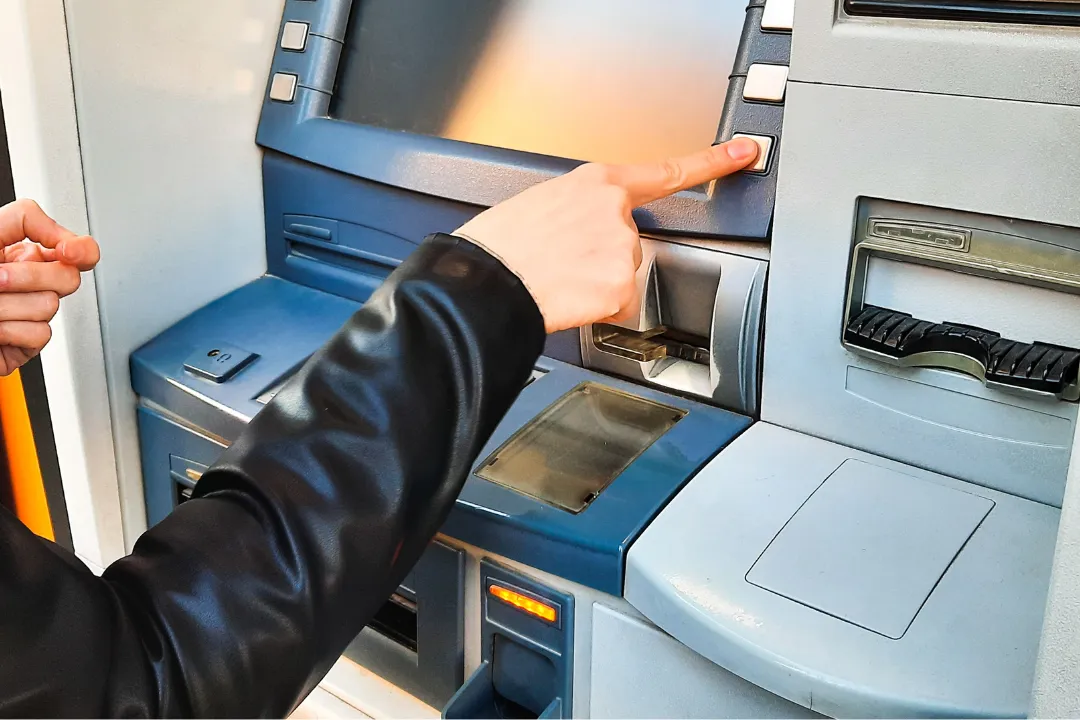
5) Pairing the Right ATM Strategy With Your Kentucky Business Model Maximizes Results

To get real results, the ATM strategy has to match the business environment. Kentucky businesses can approach ATM access in several ways: buy an ATM for long-term control, lease for lower upfront cost and flexibility, qualifying free placement for locations with strong consistent foot traffic, and event ATM rental for seasonal spikes, festivals, fairs, and high-demand weekends. Each option can support impulse buying differently, but the core requirement stays the same: customers must be able to get cash quickly and reliably when the spending moment happens.

A convenience store on a commuter route might benefit from ownership because traffic is steady and the ATM becomes a long-term asset. A newer business might lease first while learning customer patterns. A high-traffic venue might qualify for placement if it meets realistic requirements like operating hours, safe indoor placement, and expected transaction volume. A weekend-heavy market might prefer event rentals during peak seasons. When you choose the right model, your ATM becomes easier to manage, more reliable for customers, and more likely to create those impulse-driven purchase moments that increase sales. The goal isn’t to “promise more”—it’s to build a setup that makes spending easier, and that naturally increases completed purchases inside your Kentucky location.
Categories
Blogs

3 Kentucky-Proven Ways an ATM Installation Works Double-Duty for Your Business

3 Ways an ATM Installation Becomes a Multi-Purpose Upgrade for Kentucky Businesses

In Kentucky, small operational upgrades can create outsized business impact when they remove friction for customers. An ATM installation is one of those upgrades—because it doesn’t just “offer cash,” it changes how customers behave inside your location. People spend differently when cash is available on-site, they stay longer when they don’t have to leave to find a bank, and they remember businesses that make life easier—especially in industries where tips, small-ticket purchases, cover charges, local services, and cash-preferred transactions are still common. Whether you operate in Louisville, Lexington, Bowling Green, Owensboro, Covington, or a smaller Kentucky market, an ATM can serve multiple business goals at once. Below are three practical ways an ATM installation can do more than you expect—while still keeping the strategy grounded and realistic.

1) It Upgrades Customer Convenience—And Convenience Directly Impacts Spending

The first “multi-purpose” benefit of an ATM installation is simple: it removes the cash barrier right when customers are ready to buy. In Kentucky, customers still need cash in plenty of everyday scenarios—tipping at bars and restaurants, paying for small add-ons, handling cash-preferred services, and making purchases at places where splitting payments or payment apps aren’t always ideal. When a customer is short on cash and has to leave your business to find an ATM, you risk losing the sale entirely. Even if they intend to return, the time gap often turns into a missed opportunity. A well-placed ATM reduces that “I’ll come back” moment and turns it into a “done deal.”

Convenience also shapes how people remember your location. Customers don’t only rate a business on the product—they remember the ease of the experience. If your Kentucky business is easy to use, people come back and they tell others. An ATM supports that by solving a common, time-sensitive problem quickly. The best part is that it does this without asking your staff to do extra work. Instead of employees answering “Where’s the nearest ATM?” or watching customers walk out mid-purchase, your location becomes the solution. Over time, customers begin to treat your business as a reliable stop: buy what they need, get cash if they need it, and move on satisfied.

It Encourages On-Site Spending and Repeat Visits—Not Just Transactions

An ATM doesn’t only support the withdrawal itself—it influences what happens next. When customers withdraw cash at your location, they are far more likely to spend some of it right where they are. That can be especially meaningful in Kentucky businesses with impulse-friendly purchases: convenience stores, gas stations, quick-service food, nightlife, entertainment areas, and hospitality settings. Cash in hand makes it easier for customers to add one more item, tip more comfortably, or make a purchase they might have skipped due to card friction. This is why ATMs often create an “indirect lift” that goes beyond the ATM’s direct income: they support the wider sales environment in your business.

Repeat visits also tie into reliability. When an ATM consistently works, customers return because they trust it. And once customers trust your ATM, they tend to associate that reliability with your business overall. In Kentucky’s local markets, where word-of-mouth and routine habits matter, that trust is powerful. People recommend places that are convenient and dependable—especially when convenience is tied to something immediate like cash access. If your location serves regulars (commuters, neighbors, late-night customers, weekend shoppers), an ATM can strengthen that routine: your business becomes the stop that “always has what I need,” including cash access. That’s a competitive edge you don’t get from generic marketing alone.

3) It Creates an Additional Revenue Channel—When the Location Fit Is Real

The third multi-purpose benefit is the most obvious: an ATM can generate transaction-based income. But to keep it realistic, that income depends on location fit—foot traffic, customer cash demand, placement visibility, and uptime. In Kentucky, the strongest performing ATM locations are typically where people already have a reason to withdraw cash: tipping-heavy businesses, cash-preferred service environments, busy retail stops, and venues where spending happens fast. When your ATM is placed where customers naturally pass—near checkout, near entry paths, or in a visible and comfortable spot—usage becomes more consistent, and consistent usage is what supports predictable results.

What’s often overlooked is that revenue is protected by uptime and processing stability. A machine that is frequently “out of service” loses money and loses trust. That’s why the “revenue channel” benefit is multi-purpose: it’s not only about earnings—it’s also about operational strength. A dependable ATM becomes an asset; an unreliable ATM becomes a liability. The practical approach in Kentucky is to plan the program properly: choose the right model (buy, lease, qualifying free placement, or event rental), align it with your traffic reality, and support it with processing/service options that reduce downtime. When those pieces match, the ATM becomes a sustainable add-on that can earn while strengthening the customer experience.

Choosing the Best Setup in Kentucky: Buy, Lease, Placement, or Event Rental

Kentucky businesses have different needs, which is why the right ATM strategy depends on your environment. Buying an ATM often fits best for established locations with steady year-round traffic, because ownership provides long-term control and allows you to optimize placement and performance over time. Leasing is a practical choice when you want lower upfront cost and predictable monthly budgeting—especially useful for new businesses or locations still learning their traffic patterns. Free ATM placement can be a strong option for qualifying locations, but it should always be framed with standard qualifiers: consistent foot traffic, safe and accessible indoor placement space, clear operating hours, and expected transaction volume. When those requirements aren’t met, buying or leasing is usually more realistic.

Kentucky also has event-driven demand—festivals, fairs, weekend markets, local expos, sports gatherings—where a permanent install may not be necessary. That’s where event ATM rental can shine: it supports temporary spikes in cash demand without forcing a long-term commitment. The key is choosing the option that matches your real traffic pattern and customer behavior. A smart setup doesn’t rely on hype—it relies on fit. When you pick the right model for your Kentucky business, your ATM becomes easier to manage, more reliable for customers, and more likely to deliver the multi-purpose benefits you want.

The “Hidden Win”: A Better ATM Experience Protects Your Brand Reputation

Finally, an ATM installation can protect something many businesses underestimate: reputation. Customers don’t separate “ATM problems” from “business problems.” If your ATM declines transactions, runs slowly, or is constantly down, customers remember the frustration—and they often associate it with your location. In Kentucky, where local recommendations and repeat habits matter, that friction can quietly reduce foot traffic over time. On the other hand, when the ATM works smoothly, customers stop thinking about it. They get cash, they spend, and they leave satisfied. That friction-free experience becomes part of your brand—even if customers never say it out loud.

This is why reliable processing and service support should be part of the conversation from day one. A multi-purpose ATM strategy isn’t only about installing a machine—it’s about keeping it dependable through stable processing, smart placement, and quick troubleshooting when needed. When you treat ATM performance like a customer experience feature, you build trust. And trust compounds: it encourages repeat visits, better spending behavior, and stronger word-of-mouth in your Kentucky market. In the long run, that “hidden win” is often the most valuable one—because it supports growth without requiring constant promotion.

Categories
Blogs

4 Kentucky-Smart Questions to Choose the Best ATM Location

4 Questions to Find the Best ATM Location in Kentucky

In Kentucky, the “best” ATM location usually isn’t about finding the fanciest building—it’s about choosing a place where cash demand is consistent and convenience drives decisions. A strong ATM spot is one where customers naturally pause, regularly need cash, and can access the machine safely and easily. That’s why you’ll see the best-performing ATMs in Kentucky businesses like convenience stores, gas stations, bars, restaurants, hospitality properties, and event-adjacent venues—places where people are already spending and cash still plays a role for tips, small purchases, cover charges, and cash-preferred services. If you want an ATM to perform reliably (and not sit unused), use the four questions below to evaluate any Kentucky location with a clear, business-first lens.

1) Does This Kentucky Location Have Real, Repeatable Foot Traffic—Not Just “Busy Sometimes”?

Foot traffic is the foundation of ATM performance, but not all “busy” locations are equal. In Kentucky, many businesses experience traffic spikes tied to weekends, seasonal travel, and local events—so it’s important to look for repeatable patterns, not occasional crowds. Ask yourself: are people coming in daily, or is traffic only high on certain nights? Do customers arrive in steady waves (commuters, lunch rush, after-work traffic), or is it unpredictable? A convenience store on a commuter route may see consistent daily activity, while a niche shop might only see periodic bursts. The best ATM locations are the ones where usage can become habitual—customers know the machine is there, and they return to it.

To evaluate foot traffic honestly, think in terms of behavior, not just headcount. Are customers staying long enough to notice the ATM? Are they making purchases that commonly involve cash (tips, small items, local services)? Do they ask staff about cash access or nearby ATMs? In Kentucky cities like Louisville and Lexington, competition is higher and alternatives are closer—meaning your ATM needs a strong “reason to be used.” In smaller towns and travel corridors, a well-placed ATM can become the default option if it’s the most convenient choice. The point is simple: strong traffic + real cash need beats random crowd size every time.

2) Do the Customers Here Actually Need Cash—Or Are They Mostly Card-Only?

An ATM performs best when it matches the payment reality of the location. Even in a card-first world, Kentucky still has plenty of environments where cash demand stays steady—especially where tipping is common, small-ticket purchases happen fast, or certain vendors prefer cash. Bars, restaurants, late-night food spots, barber shops, salons, local services, and some convenience retail environments often see recurring cash needs. The key is to confirm that cash use is part of the customer’s normal behavior, not a rare exception. If the average customer never needs cash, the ATM becomes background noise.

Look for signals of cash demand: tip jars, “cash preferred” notes, cash discounts, small purchase patterns, local vendor transactions, or customers asking if the business accepts cards. For event-adjacent locations in Kentucky—near venues, festivals, weekend markets, or busy nightlife zones—cash demand can be higher because spending is more spontaneous and faster paced. Also consider whether the location attracts travelers (hospitality, tourism corridors, entertainment areas), since visitors are more likely to want quick cash access without hunting for a bank. Bottom line: the best Kentucky ATM location is one where cash solves a real customer problem repeatedly—not occasionally.

3) Is the ATM Placement Spot Visible, Safe, and “Easy to Use” in Under 10 Seconds?

Even if foot traffic and cash demand are strong, performance drops when customers can’t find the ATM quickly or don’t feel comfortable using it. In Kentucky businesses, the most effective placements are usually along natural customer paths—near the checkout line, along the entry route, or in a spot customers pass without detouring. If someone has to ask where the ATM is, walk to a hidden corner, or use it in a cramped area, usage decreases. Convenience is not just having an ATM—it’s having an ATM that’s obvious, accessible, and feels safe.

Safety and comfort matter more than people realize. Customers are less likely to use an ATM in a dim area, near a cluttered back wall, or in a spot where they feel watched too closely. The ideal placement offers enough space to stand, clear visibility, and a natural “pause zone” where using the ATM doesn’t feel awkward. Also consider practical details: stable power access, a reliable connection setup, and enough room for normal customer flow so lines don’t block the machine. Kentucky businesses that get this right see a compounding effect—customers notice the ATM, use it once, and then return because they remember it’s easy.

4) Can You Support Reliable Uptime—Processing, Connectivity, and Fast Service When Things Go Wrong?

A location can look perfect on paper and still fail if uptime is poor. The “best” Kentucky ATM location isn’t only about where the machine sits—it’s also about whether you can keep it operational consistently. If connectivity is unstable, processing support is slow, or issues aren’t addressed quickly, customers stop trusting the machine. And once trust is lost, traffic alone won’t save performance. That’s why reliable ATM programs plan for uptime from the start: stable processing, clear troubleshooting steps, and service support that responds fast when something breaks.

Think of uptime as brand protection. Customers don’t separate “ATM problems” from “business problems”—they remember that your location was inconvenient. In Kentucky, where repeat visitors and local reputation matter, an “out of order” sign can quietly push customers elsewhere. Plan ahead: choose a location that can support stable connectivity, keep the machine accessible for service, and allow quick response when needed. This is also why many businesses prioritize providers who offer structured monitoring and practical support. Uptime isn’t glamorous, but it’s what turns a good location into a consistently earning location.

Does This Location Fit Your Strategy—Buy, Lease, Placement, or Event Rental?

Once a Kentucky location passes the first four questions, the final step is choosing the right approach to match the business model. Buying an ATM is often best for stable, year-round traffic where you want long-term control. Leasing can be ideal when you want lower upfront cost and predictable expenses while you test performance. Free ATM placement can work for qualifying locations—but only when the site truly meets practical requirements like consistent foot traffic, safe indoor placement, clear operating hours, and expected transaction volume. And for seasonal spikes—festivals, fairs, big weekends, or venue-driven crowds—event ATM rental can solve cash access quickly without committing to a permanent install.

This is where Kentucky localization matters: many locations experience demand shifts by weekend, season, and event calendar. The smart move is to align the ATM plan with that reality. A busy year-round convenience store might justify ownership. A new location might lease first. A short-term event might rent. And a high-traffic retail/hospitality spot might qualify for placement under the right terms. Choosing the right model helps keep expectations realistic, protects your budget, and makes it more likely the ATM becomes a dependable asset instead of a complicated experiment.

Categories
Blogs

Kentucky ATM Advantage: The Real Benefits of Owning an ATM in the Bluegrass State

Kentucky ATM Advantage: Why Owning an ATM Can Be a Smart Business Move

Kentucky businesses compete on convenience, speed, and trust—especially in industries where customer decisions are made in minutes. If a customer needs cash for tips, small purchases, cover charges, local services, or cash-preferred transactions, the business that solves that need instantly often wins the sale. That’s why ATM ownership can be a practical advantage in the Bluegrass State. Owning an ATM gives you more control over performance, placement, and long-term value—so cash access becomes a built-in service at your location instead of a recurring problem. From Louisville and Lexington to Bowling Green, Owensboro, Covington, and growing communities across the state, a reliable on-site ATM can support customer satisfaction, reduce walk-outs, and create a consistent transaction-based income stream when it’s planned correctly.

What ATM Ownership Really Means for Kentucky Businesses (Beyond the Machine)

ATM ownership isn’t simply “having an ATM in the corner”—it’s owning a customer convenience tool that can influence how people spend, how long they stay, and whether they return. In Kentucky, this matters across multiple business types: convenience stores and gas stations that serve daily commuters, bars and restaurants where tips are common, hospitality locations serving travelers, and event-adjacent businesses that see weekend spikes. When you own the unit, you have more say in how the ATM fits your space and how it performs over time. That control matters because the customer experience depends on reliability: a machine that fails, declines transactions, runs slowly, or goes offline can damage trust quickly.

Ownership also changes the long-term financial story. Instead of treating the ATM as a short-term experiment, you can approach it like an asset—something you optimize. You can evaluate foot traffic patterns, adjust placement for visibility, make sure the machine is easy to access, and align service support so downtime is minimized. The biggest difference is that ownership puts you in a position to improve and scale your setup over time. When your ATM is dependable, customers remember that your location is easy—and in local markets, that convenience becomes part of your reputation.

Revenue Potential in Kentucky: How Transaction Demand Turns Into Real Value

An ATM can add value in two main ways: it supports spending inside your business, and it can create transaction-driven earnings. Kentucky has many environments where this is especially relevant. Customers still pull cash for tips, small-ticket purchases, cash-preferred services, and local vendors—particularly in hospitality, nightlife, convenience retail, and event-heavy seasons. When people can access cash immediately, you reduce the “I’ll be back” moment that often turns into a lost sale. That indirect benefit (completed purchases) can be as important as the ATM’s direct transaction-based income.

The direct side depends on volume and location fit. A machine in a low-traffic corner will never perform like a machine placed where customers naturally pass—near the entrance, along a main walkway, or close to where payments happen. Kentucky businesses with consistent foot traffic are typically better positioned to see steady ATM usage, and stable usage is what creates predictable outcomes. The most realistic approach is to treat the ATM as a performance-based asset: your revenue potential grows when your placement is smarter, your uptime is higher, and your processing is reliable. Instead of promising “guaranteed results,” the goal is to build a setup that consistently earns based on real usage patterns.

Ownership vs Leasing vs Placement in Kentucky: Choosing the Right Path

Kentucky businesses don’t all have the same starting point, which is why the “best” ATM option depends on your goals. Owning an ATM is often the best fit when you want long-term control and you have steady traffic that supports consistent usage. Ownership can be ideal for established convenience stores, busy retail stops, and locations with predictable demand—because you can optimize the asset over time without being tied to a lease structure. Leasing can be a strong alternative if you want lower upfront cost, predictable monthly expenses, or flexibility while your business grows. This is especially helpful for newer businesses or locations that are still learning their traffic patterns.

Free ATM placement can also be an option in Kentucky—but it should always be positioned with clear qualifiers. Locations typically qualify based on practical performance factors: consistent foot traffic, safe and accessible indoor space, operating hours, and realistic transaction volume. If those requirements aren’t met, forcing “free placement” can lead to disappointment on both sides. The smarter approach is to evaluate the location honestly and choose the option that matches reality: buy for long-term control, lease for flexibility, placement when the site truly qualifies. This keeps expectations clear and helps ensure the ATM setup actually performs instead of becoming another recurring issue.

Customer Experience and Trust: Why Uptime Matters More Than Marketing

In Kentucky’s local markets, word-of-mouth still carries weight. People talk about businesses that are convenient—and they remember businesses that create friction. An ATM that frequently shows “out of service,” declines transactions, or runs slowly doesn’t just hurt ATM usage—it can reflect on your location. Customers often blame the business, not the equipment. That’s why uptime and performance should be treated like brand protection. When your ATM works smoothly, customers stop thinking about it, which is exactly what you want. They get cash, they spend, and they leave satisfied.

Uptime is influenced by several factors: the quality of the machine, the stability of processing, connectivity reliability, and how quickly issues are handled. A proactive approach—monitoring patterns, keeping software and settings updated, addressing small issues early—reduces the risk of breakdowns during peak hours. For Kentucky businesses that see weekend surges or event-driven spikes, that reliability is crucial. You don’t want your ATM failing when the crowd is at its highest. When your ATM is stable, it becomes a dependable feature customers trust, and that trust supports repeat usage over time.

Where ATM Ownership Fits Best in Kentucky (Cities + Industries That Benefit)

ATM ownership tends to work best in Kentucky where cash demand and foot traffic are consistent. That includes convenience stores and gas stations on commuter routes, bars and restaurants in active districts, hospitality properties serving travelers, and retail locations with steady daily volume. In larger markets like Louisville and Lexington, the advantage often comes from high usage potential and strong competition—convenience can be a differentiator. In growing hubs like Bowling Green, Owensboro, and Covington, an on-site ATM can support local spending habits and help businesses serve customers quickly without sending them elsewhere for cash.

It can also be a strategic fit for businesses near event activity, weekend tourism flow, or areas where customers frequently need cash for tips, cover charges, or small purchases. The key is to match ownership with the environment. If your business is the kind of place where customers repeatedly ask for cash access—or where a cash-only purchase is common—ownership can be a practical upgrade. When combined with reliable processing and service support, ATM ownership becomes less about “having a machine” and more about creating a smoother, more profitable customer experience in your Kentucky location.

Categories
Blogs

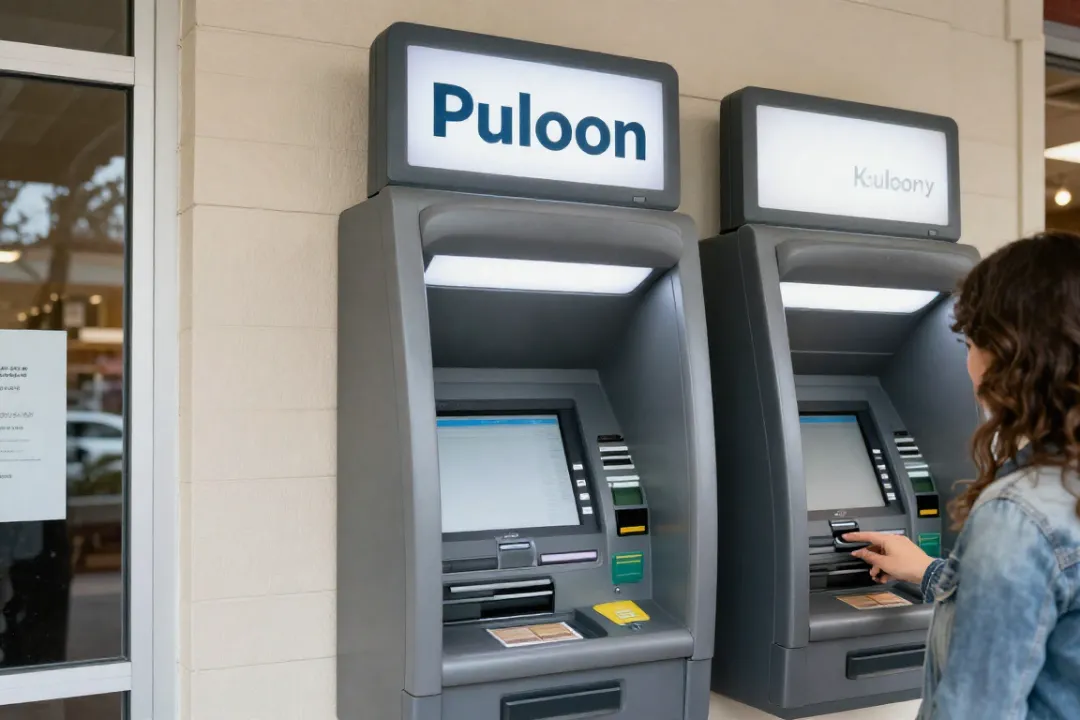
Puloon ATMs in Kentucky: Better Cash Access for Business

Puloon ATMs in Kentucky: Reliable Cash Access That Helps Local Businesses Grow

Kentucky businesses succeed when convenience is built into the customer experience—especially in industries where speed, foot traffic, and impulse purchases drive daily revenue. From neighborhood convenience stores and gas stations to bars, restaurants, event venues, and hospitality properties, customers still need quick access to cash for tips, cover charges, small purchases, and cash-preferred services. That’s why choosing the right ATM matters. A Puloon-powered ATM setup can be a practical upgrade for Kentucky locations that want dependable performance, smoother transactions, and fewer disruptions. When your ATM works consistently, it becomes more than a machine in the corner—it becomes a service your customers rely on, and a steady opportunity for your business to earn while improving on-site convenience.

Why Puloon ATMs Make Sense for Kentucky Locations With Real Foot Traffic

Kentucky is a state with diverse business demand: high-volume city corridors in Louisville and Lexington, strong commuter routes, college-area traffic, and tourism-driven spending tied to events, weekends, and seasonal travel. In these environments, an ATM needs to do one job extremely well—process transactions reliably without turning into a recurring operational problem. Puloon mechanisms are widely recognized in the ATM industry for consistent cash handling and durability when paired with a properly planned setup. For Kentucky businesses, that can translate into fewer “out of service” interruptions, smoother dispensing, and a better customer experience during peak hours—when the line is long, the crowd is busy, and people want quick cash access without delays.

What matters most is how that reliability affects your business outcomes. Customers won’t keep trying a machine that fails, runs slowly, or feels unreliable—especially when alternatives exist nearby. A stable, well-performing ATM helps reduce walk-outs, improves transaction completion rates, and supports repeat visits because customers remember which locations are easy to use. If your Kentucky business depends on local loyalty, traveler convenience, or weekend rush cycles, dependable equipment becomes part of your brand experience. The more seamless it feels to get cash at your location, the more likely customers are to spend on-site instead of leaving and possibly not returning.

The Real Business Benefit: More Convenience, More Completed Purchases

An on-site ATM changes customer behavior in simple ways that add up. When people can access cash quickly, they’re more likely to finish purchases immediately—especially in Kentucky environments where cash still matters: tipping at bars and restaurants, paying for small-ticket items, buying from local vendors, or handling cash-only services. Without cash access, customers often delay the purchase (“I’ll come back”) or choose a different business that solves the problem faster. When your business provides that convenience, you reduce friction and increase the chance that spending happens right where the customer already is—inside your location.

This is why an ATM is often more than a revenue add-on. It supports the entire customer journey: fewer payment interruptions, fewer staff distractions (“Where’s the nearest ATM?”), and a smoother flow at checkout or service points. For Kentucky businesses with high foot traffic—convenience stores, gas stations, nightlife, hospitality, and entertainment zones—the value is both direct and indirect. Direct value can come from transaction-driven income, while indirect value shows up as increased on-site spending, higher customer satisfaction, and improved repeat traffic. When a machine performs reliably, it becomes part of how customers remember your location: easy, convenient, and worth returning to.

Choosing the Right Setup in Kentucky: Buy, Lease, or Placement Options

Kentucky businesses don’t all need the same ATM path, and that’s where a practical service stack matters. Some owners prefer to buy an ATM for long-term control and ownership benefits. Others choose to lease because it reduces upfront investment and keeps costs predictable—useful for new businesses, growing locations, or operations managing seasonal traffic swings. And for certain high-traffic locations, free ATM placement can be an option—but only when the site truly qualifies. The “free” part should always come with real requirements: consistent foot traffic, safe and accessible placement space, clear operating hours, and expected transaction volume. When those conditions are present, placement can be a strong business arrangement; when they’re not, buying or leasing is usually the more realistic route.

What makes the difference in Kentucky is aligning the option with the environment. A busy retail stop with steady daily traffic may benefit from ownership. A venue or seasonal business may prefer leasing flexibility. A festival-heavy calendar or event-driven market may lean toward short-term rentals. The right approach is the one that keeps your ATM reliable, keeps customer experience smooth, and keeps your costs aligned with your business model—without overpromising outcomes. When you match your ATM plan to your traffic patterns, you avoid the most common issue businesses face: a machine that technically exists, but doesn’t perform consistently enough to be worth it.

Keeping the ATM Profitable: Processing, Monitoring, and Service Support

ATM performance isn’t just hardware—it’s also the operational layer behind the scenes. Processing stability, connectivity, and support response time are what protect your earnings and your customer experience. In Kentucky, where many businesses operate long hours (including late nights for nightlife or early mornings for commuter traffic), support needs to be responsive and practical. If a machine is slow, declining transactions, losing connection, or showing recurring error messages, customers notice immediately—and they often blame the location, not the ATM brand. That’s why strong ATM programs include reliable processing support, monitoring-driven awareness, and service pathways that reduce downtime.

A stable setup helps prevent the most damaging scenarios: repeated declines during peak hours, “out of cash” frustrations, or a machine that sits offline for days. With the right approach, you can keep the ATM customer-ready—software updated, common issues addressed early, and repair/service coordination available when needed. This supports trust, because customers return to the ATM that works. For a Kentucky business, that trust translates to repeat transactions, consistent usage, and a stronger convenience reputation in the local market. The result isn’t just an ATM that exists—it’s an ATM that performs like a dependable utility inside your business.

A Kentucky-First ATM Strategy: Where Puloon Fits Best and Why It Works

Puloon-based ATM setups are often a strong fit for Kentucky businesses that need consistent cash handling and dependable day-to-day performance. The best matches are typically locations where cash demand is regular and predictable: convenience stores and gas stations, bars and restaurants, hotels and hospitality, entertainment venues, and busy retail corridors. These environments benefit from equipment that can handle repeated use without frequent interruptions—because “down time” doesn’t just reduce transactions; it reduces customer confidence and sends people elsewhere. When your ATM works smoothly, it supports your broader business goals: higher satisfaction, more completed purchases, and repeat visits from customers who value convenience.

If you’re building an ATM plan in Kentucky, the smart move is to start with reality: your location type, traffic consistency, operating hours, placement space, and expected usage. From there, choose the best path—buy, lease, qualifying placement, repairs/service, processing support—and keep the program focused on reliability. When a machine is chosen and supported correctly, it becomes a long-term advantage. And in local markets, advantages stack: convenience earns loyalty, loyalty earns repeat spending, and repeat spending helps businesses grow—one transaction at a time.