
4 Questions to Find the Best ATM Location in Kentucky
- December 24, 2025
- admin
- 2:10 pm
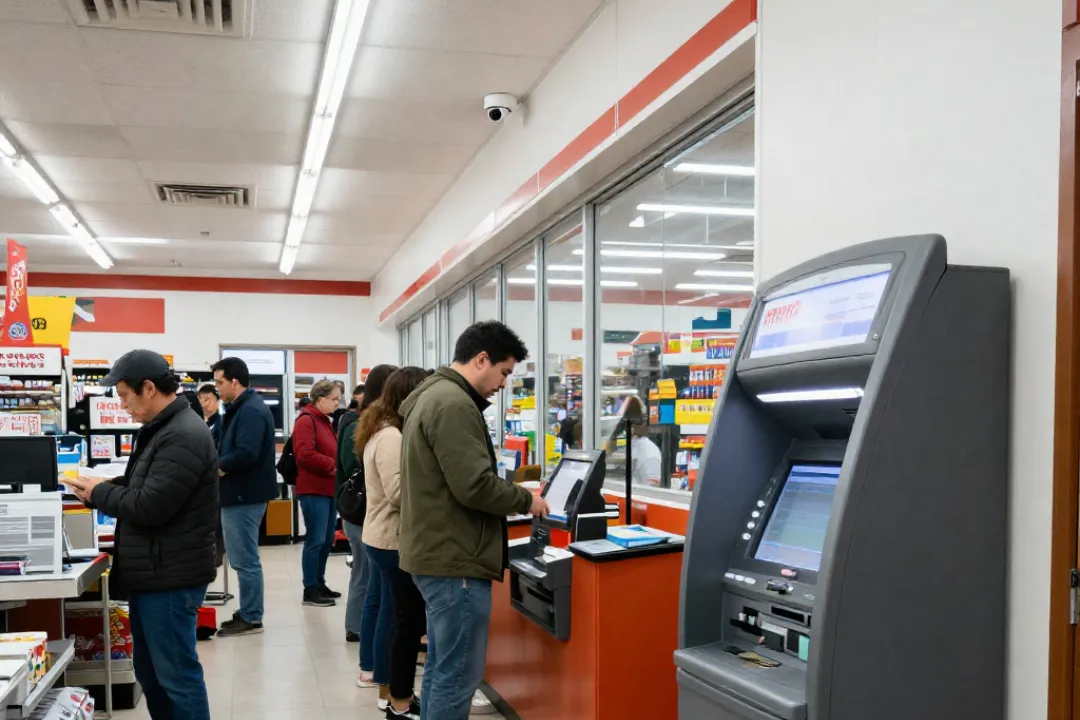
In Kentucky, the “best” ATM location usually isn’t about finding the fanciest building—it’s about choosing a place where cash demand is consistent and convenience drives decisions. A strong ATM spot is one where customers naturally pause, regularly need cash, and can access the machine safely and easily. That’s why you’ll see the best-performing ATMs in Kentucky businesses like convenience stores, gas stations, bars, restaurants, hospitality properties, and event-adjacent venues—places where people are already spending and cash still plays a role for tips, small purchases, cover charges, and cash-preferred services. If you want an ATM to perform reliably (and not sit unused), use the four questions below to evaluate any Kentucky location with a clear, business-first lens.
1) Does This Kentucky Location Have Real, Repeatable Foot Traffic—Not Just “Busy Sometimes”?
Foot traffic is the foundation of ATM performance, but not all “busy” locations are equal. In Kentucky, many businesses experience traffic spikes tied to weekends, seasonal travel, and local events—so it’s important to look for repeatable patterns, not occasional crowds. Ask yourself: are people coming in daily, or is traffic only high on certain nights? Do customers arrive in steady waves (commuters, lunch rush, after-work traffic), or is it unpredictable? A convenience store on a commuter route may see consistent daily activity, while a niche shop might only see periodic bursts. The best ATM locations are the ones where usage can become habitual—customers know the machine is there, and they return to it.
To evaluate foot traffic honestly, think in terms of behavior, not just headcount. Are customers staying long enough to notice the ATM? Are they making purchases that commonly involve cash (tips, small items, local services)? Do they ask staff about cash access or nearby ATMs? In Kentucky cities like Louisville and Lexington, competition is higher and alternatives are closer—meaning your ATM needs a strong “reason to be used.” In smaller towns and travel corridors, a well-placed ATM can become the default option if it’s the most convenient choice. The point is simple: strong traffic + real cash need beats random crowd size every time.
2) Do the Customers Here Actually Need Cash—Or Are They Mostly Card-Only?
An ATM performs best when it matches the payment reality of the location. Even in a card-first world, Kentucky still has plenty of environments where cash demand stays steady—especially where tipping is common, small-ticket purchases happen fast, or certain vendors prefer cash. Bars, restaurants, late-night food spots, barber shops, salons, local services, and some convenience retail environments often see recurring cash needs. The key is to confirm that cash use is part of the customer’s normal behavior, not a rare exception. If the average customer never needs cash, the ATM becomes background noise.
Look for signals of cash demand: tip jars, “cash preferred” notes, cash discounts, small purchase patterns, local vendor transactions, or customers asking if the business accepts cards. For event-adjacent locations in Kentucky—near venues, festivals, weekend markets, or busy nightlife zones—cash demand can be higher because spending is more spontaneous and faster paced. Also consider whether the location attracts travelers (hospitality, tourism corridors, entertainment areas), since visitors are more likely to want quick cash access without hunting for a bank. Bottom line: the best Kentucky ATM location is one where cash solves a real customer problem repeatedly—not occasionally.
3) Is the ATM Placement Spot Visible, Safe, and “Easy to Use” in Under 10 Seconds?
Even if foot traffic and cash demand are strong, performance drops when customers can’t find the ATM quickly or don’t feel comfortable using it. In Kentucky businesses, the most effective placements are usually along natural customer paths—near the checkout line, along the entry route, or in a spot customers pass without detouring. If someone has to ask where the ATM is, walk to a hidden corner, or use it in a cramped area, usage decreases. Convenience is not just having an ATM—it’s having an ATM that’s obvious, accessible, and feels safe.
Safety and comfort matter more than people realize. Customers are less likely to use an ATM in a dim area, near a cluttered back wall, or in a spot where they feel watched too closely. The ideal placement offers enough space to stand, clear visibility, and a natural “pause zone” where using the ATM doesn’t feel awkward. Also consider practical details: stable power access, a reliable connection setup, and enough room for normal customer flow so lines don’t block the machine. Kentucky businesses that get this right see a compounding effect—customers notice the ATM, use it once, and then return because they remember it’s easy.
4) Can You Support Reliable Uptime—Processing, Connectivity, and Fast Service When Things Go Wrong?
A location can look perfect on paper and still fail if uptime is poor. The “best” Kentucky ATM location isn’t only about where the machine sits—it’s also about whether you can keep it operational consistently. If connectivity is unstable, processing support is slow, or issues aren’t addressed quickly, customers stop trusting the machine. And once trust is lost, traffic alone won’t save performance. That’s why reliable ATM programs plan for uptime from the start: stable processing, clear troubleshooting steps, and service support that responds fast when something breaks.
Think of uptime as brand protection. Customers don’t separate “ATM problems” from “business problems”—they remember that your location was inconvenient. In Kentucky, where repeat visitors and local reputation matter, an “out of order” sign can quietly push customers elsewhere. Plan ahead: choose a location that can support stable connectivity, keep the machine accessible for service, and allow quick response when needed. This is also why many businesses prioritize providers who offer structured monitoring and practical support. Uptime isn’t glamorous, but it’s what turns a good location into a consistently earning location.
Does This Location Fit Your Strategy—Buy, Lease, Placement, or Event Rental?
Once a Kentucky location passes the first four questions, the final step is choosing the right approach to match the business model. Buying an ATM is often best for stable, year-round traffic where you want long-term control. Leasing can be ideal when you want lower upfront cost and predictable expenses while you test performance. Free ATM placement can work for qualifying locations—but only when the site truly meets practical requirements like consistent foot traffic, safe indoor placement, clear operating hours, and expected transaction volume. And for seasonal spikes—festivals, fairs, big weekends, or venue-driven crowds—event ATM rental can solve cash access quickly without committing to a permanent install.
This is where Kentucky localization matters: many locations experience demand shifts by weekend, season, and event calendar. The smart move is to align the ATM plan with that reality. A busy year-round convenience store might justify ownership. A new location might lease first. A short-term event might rent. And a high-traffic retail/hospitality spot might qualify for placement under the right terms. Choosing the right model helps keep expectations realistic, protects your budget, and makes it more likely the ATM becomes a dependable asset instead of a complicated experiment.