
How an On-Site ATM Triggers Impulse Buying in Kentucky Small Businesses
- December 24, 2025
- admin
- 2:40 pm
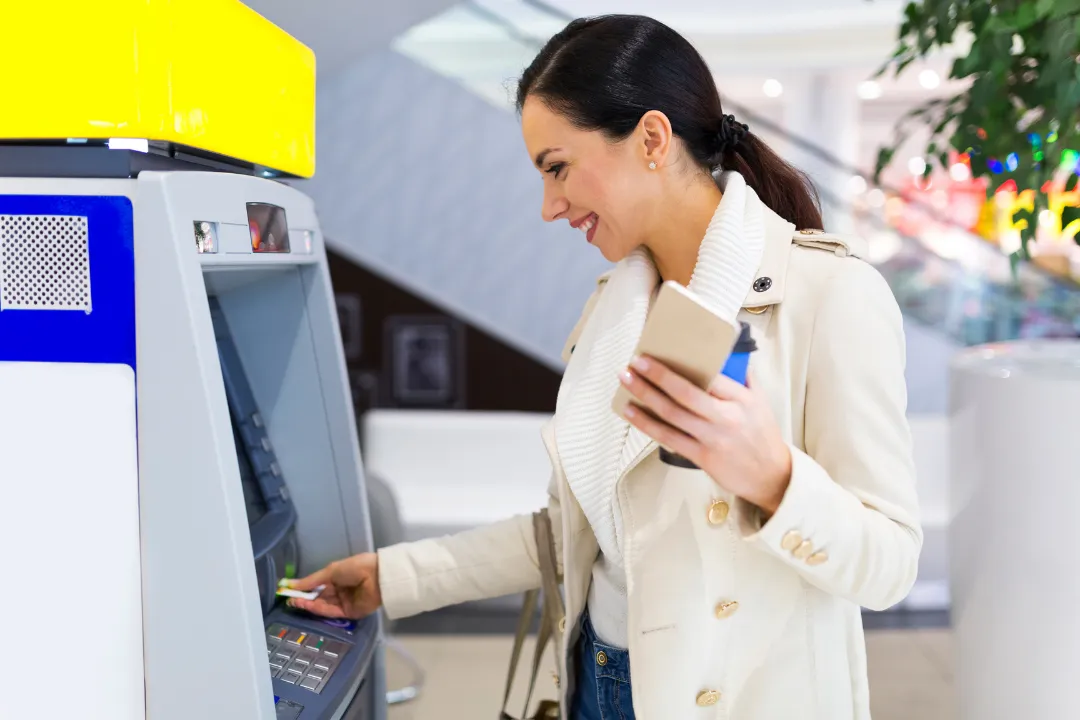
Impulse buying isn’t always about flashy marketing—it’s often about removing friction at the exact moment a customer wants to buy. In Kentucky small businesses, that friction commonly shows up as “I don’t have cash” or “I’ll come back after I find an ATM.” The problem is that customers don’t always come back. When you add an on-site ATM, you solve the cash barrier immediately, which helps customers complete purchases on the spot—especially in environments where tips, small add-ons, quick-service items, and cash-preferred services are common. From Louisville and Lexington to Bowling Green, Owensboro, Covington, and smaller local markets, an ATM can influence buying behavior in subtle but measurable ways: it keeps customers inside the business longer, increases the likelihood of add-on purchases, and supports smoother spending during busy hours and weekend rushes.
ATMs Remove the “Cash Gap” That Kills Spontaneous Purchases
Impulse buying depends on timing. A customer sees something they want—an extra snack, a quick upgrade, a souvenir, a small service add-on—and they make a decision in seconds. But if payment becomes inconvenient, the decision fades. In Kentucky, that friction often appears when customers are short on cash in places where cash still matters: convenience stores, small retail counters, bars and restaurants where tips are common, local services, and vendor-style setups. When the customer has to leave your location to find a bank or ATM, you’re relying on “good intentions,” not a completed sale. And in real life, good intentions get interrupted by traffic, time, and competing errands.
An on-site ATM closes that gap instantly. Instead of “I’ll come back,” the customer can solve the cash need right there—without leaving your business environment. That keeps the momentum alive and increases the chance the purchase happens immediately. This is especially useful in Kentucky locations that depend on quick decisions—late-night foot traffic, weekend surges, or event-driven crowds where people want speed and simplicity. The ATM doesn’t “force” spending—it simply removes a barrier that stops spending. And when barriers disappear, impulse purchases become more frequent and more consistent.
2) Cash in Hand Changes How Customers Spend Inside Your Kentucky Location
There’s a behavioral difference between planning to spend and having cash available to spend. When customers withdraw cash, they often become more comfortable making small additional purchases—especially items that feel “too small” to justify a card transaction or that occur in fast-moving environments. In Kentucky small businesses, this can show up as add-on snacks at a convenience store, a second drink at a bar, extra tips for service staff, quick impulse items near checkout, or spontaneous upgrades during busy hours. The ATM doesn’t just provide cash access—it creates spending readiness.
This effect becomes stronger when the ATM is placed well: visible, easy to access, and positioned where customers naturally pass (near entry paths or checkout zones). When the ATM feels like part of the customer flow, people use it without hesitation—and that makes cash spending more likely in the same visit. Kentucky businesses that serve regulars can also see a habit effect: customers learn that “this location always has cash access,” and they begin to plan their spending around it. Over time, that shifts customer behavior from “I might buy it later” to “I’ll just handle it now,” which is exactly what impulse buying looks like in real business terms.
3) ATMs Keep Customers On-Site Longer—And Time Inside the Store Increases Purchases
Impulse buying increases when customers stay inside the buying environment longer. This is one reason malls, markets, and event venues focus on keeping people on-site: the longer someone stays, the more likely they are to browse and buy. When customers leave your Kentucky business to find cash, you lose that time inside your “purchase zone.” They may go to a nearby ATM, but they might also stop at a different store, get distracted, or decide they don’t need the purchase anymore. Even a short exit breaks the purchase momentum.
An on-site ATM helps keep customers in place. If they need cash, they stay inside your environment—seeing products, hearing offers, noticing displays, and remaining in the mindset of spending. This is especially important during peak hours, when the vibe of a busy store or venue can encourage spontaneous buying. In Kentucky, think of weekend traffic patterns, nightlife zones, tourist stops, and event-heavy areas where crowds are already in motion. Keeping customers on-site during those moments can increase not only the likelihood of the original purchase, but also the chance of additional add-ons. It’s a simple mechanism: keep customers in the building, and purchases tend to rise.
4) Better Convenience Builds Trust—And Trust Creates Repeat Impulse Purchases
Impulse buying isn’t only a one-time event; it can become a repeat pattern when customers trust your location. If a customer uses your ATM successfully, they remember that your business is convenient. If the ATM is unreliable—declines transactions, runs slowly, shows “out of service”—trust drops and the customer stops trying. In Kentucky local markets, where repeat visits and word-of-mouth matter, a dependable ATM can quietly become part of your customer retention strategy. People don’t always say “I love that you have an ATM,” but they act on it: they return, they stay longer, and they spend more confidently.
This is why uptime is a critical part of the impulse buying story. A working ATM supports immediate spending and also protects your reputation. Customers often associate convenience with the business itself, not the machine. When your ATM performs smoothly, the whole experience feels smooth—and a smooth experience increases the likelihood of spontaneous purchases. Over time, that reliability becomes a brand asset in Kentucky markets: your business becomes the spot where customers know they can handle cash needs quickly. That confidence supports more frequent stop-ins and more “unplanned” purchases that happen simply because it’s easy.
5) Pairing the Right ATM Strategy With Your Kentucky Business Model Maximizes Results
To get real results, the ATM strategy has to match the business environment. Kentucky businesses can approach ATM access in several ways: buy an ATM for long-term control, lease for lower upfront cost and flexibility, qualifying free placement for locations with strong consistent foot traffic, and event ATM rental for seasonal spikes, festivals, fairs, and high-demand weekends. Each option can support impulse buying differently, but the core requirement stays the same: customers must be able to get cash quickly and reliably when the spending moment happens.
A convenience store on a commuter route might benefit from ownership because traffic is steady and the ATM becomes a long-term asset. A newer business might lease first while learning customer patterns. A high-traffic venue might qualify for placement if it meets realistic requirements like operating hours, safe indoor placement, and expected transaction volume. A weekend-heavy market might prefer event rentals during peak seasons. When you choose the right model, your ATM becomes easier to manage, more reliable for customers, and more likely to create those impulse-driven purchase moments that increase sales. The goal isn’t to “promise more”—it’s to build a setup that makes spending easier, and that naturally increases completed purchases inside your Kentucky location.