
Kentucky ATM Advantage: Why Owning an ATM Can Be a Smart Business Move
- December 24, 2025
- admin
- 1:53 pm
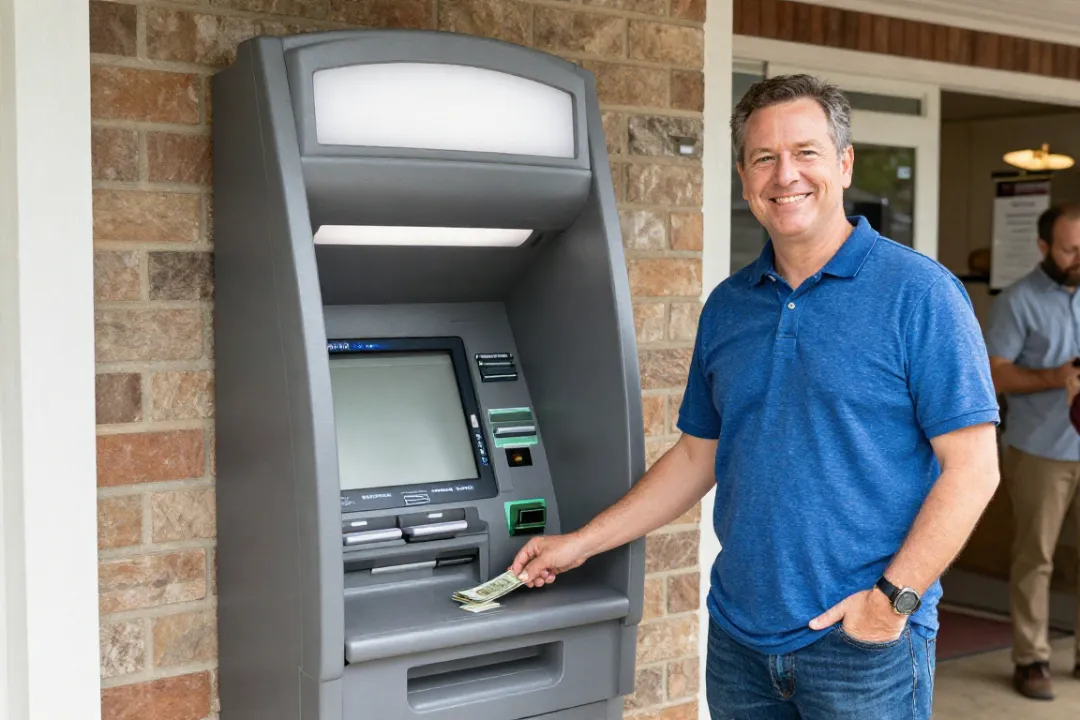
Kentucky businesses compete on convenience, speed, and trust—especially in industries where customer decisions are made in minutes. If a customer needs cash for tips, small purchases, cover charges, local services, or cash-preferred transactions, the business that solves that need instantly often wins the sale. That’s why ATM ownership can be a practical advantage in the Bluegrass State. Owning an ATM gives you more control over performance, placement, and long-term value—so cash access becomes a built-in service at your location instead of a recurring problem. From Louisville and Lexington to Bowling Green, Owensboro, Covington, and growing communities across the state, a reliable on-site ATM can support customer satisfaction, reduce walk-outs, and create a consistent transaction-based income stream when it’s planned correctly.
What ATM Ownership Really Means for Kentucky Businesses (Beyond the Machine)
ATM ownership isn’t simply “having an ATM in the corner”—it’s owning a customer convenience tool that can influence how people spend, how long they stay, and whether they return. In Kentucky, this matters across multiple business types: convenience stores and gas stations that serve daily commuters, bars and restaurants where tips are common, hospitality locations serving travelers, and event-adjacent businesses that see weekend spikes. When you own the unit, you have more say in how the ATM fits your space and how it performs over time. That control matters because the customer experience depends on reliability: a machine that fails, declines transactions, runs slowly, or goes offline can damage trust quickly.
Ownership also changes the long-term financial story. Instead of treating the ATM as a short-term experiment, you can approach it like an asset—something you optimize. You can evaluate foot traffic patterns, adjust placement for visibility, make sure the machine is easy to access, and align service support so downtime is minimized. The biggest difference is that ownership puts you in a position to improve and scale your setup over time. When your ATM is dependable, customers remember that your location is easy—and in local markets, that convenience becomes part of your reputation.
Revenue Potential in Kentucky: How Transaction Demand Turns Into Real Value
An ATM can add value in two main ways: it supports spending inside your business, and it can create transaction-driven earnings. Kentucky has many environments where this is especially relevant. Customers still pull cash for tips, small-ticket purchases, cash-preferred services, and local vendors—particularly in hospitality, nightlife, convenience retail, and event-heavy seasons. When people can access cash immediately, you reduce the “I’ll be back” moment that often turns into a lost sale. That indirect benefit (completed purchases) can be as important as the ATM’s direct transaction-based income.
The direct side depends on volume and location fit. A machine in a low-traffic corner will never perform like a machine placed where customers naturally pass—near the entrance, along a main walkway, or close to where payments happen. Kentucky businesses with consistent foot traffic are typically better positioned to see steady ATM usage, and stable usage is what creates predictable outcomes. The most realistic approach is to treat the ATM as a performance-based asset: your revenue potential grows when your placement is smarter, your uptime is higher, and your processing is reliable. Instead of promising “guaranteed results,” the goal is to build a setup that consistently earns based on real usage patterns.
Ownership vs Leasing vs Placement in Kentucky: Choosing the Right Path
Kentucky businesses don’t all have the same starting point, which is why the “best” ATM option depends on your goals. Owning an ATM is often the best fit when you want long-term control and you have steady traffic that supports consistent usage. Ownership can be ideal for established convenience stores, busy retail stops, and locations with predictable demand—because you can optimize the asset over time without being tied to a lease structure. Leasing can be a strong alternative if you want lower upfront cost, predictable monthly expenses, or flexibility while your business grows. This is especially helpful for newer businesses or locations that are still learning their traffic patterns.
Free ATM placement can also be an option in Kentucky—but it should always be positioned with clear qualifiers. Locations typically qualify based on practical performance factors: consistent foot traffic, safe and accessible indoor space, operating hours, and realistic transaction volume. If those requirements aren’t met, forcing “free placement” can lead to disappointment on both sides. The smarter approach is to evaluate the location honestly and choose the option that matches reality: buy for long-term control, lease for flexibility, placement when the site truly qualifies. This keeps expectations clear and helps ensure the ATM setup actually performs instead of becoming another recurring issue.
Customer Experience and Trust: Why Uptime Matters More Than Marketing
In Kentucky’s local markets, word-of-mouth still carries weight. People talk about businesses that are convenient—and they remember businesses that create friction. An ATM that frequently shows “out of service,” declines transactions, or runs slowly doesn’t just hurt ATM usage—it can reflect on your location. Customers often blame the business, not the equipment. That’s why uptime and performance should be treated like brand protection. When your ATM works smoothly, customers stop thinking about it, which is exactly what you want. They get cash, they spend, and they leave satisfied.
Uptime is influenced by several factors: the quality of the machine, the stability of processing, connectivity reliability, and how quickly issues are handled. A proactive approach—monitoring patterns, keeping software and settings updated, addressing small issues early—reduces the risk of breakdowns during peak hours. For Kentucky businesses that see weekend surges or event-driven spikes, that reliability is crucial. You don’t want your ATM failing when the crowd is at its highest. When your ATM is stable, it becomes a dependable feature customers trust, and that trust supports repeat usage over time.

Where ATM Ownership Fits Best in Kentucky (Cities + Industries That Benefit)
ATM ownership tends to work best in Kentucky where cash demand and foot traffic are consistent. That includes convenience stores and gas stations on commuter routes, bars and restaurants in active districts, hospitality properties serving travelers, and retail locations with steady daily volume. In larger markets like Louisville and Lexington, the advantage often comes from high usage potential and strong competition—convenience can be a differentiator. In growing hubs like Bowling Green, Owensboro, and Covington, an on-site ATM can support local spending habits and help businesses serve customers quickly without sending them elsewhere for cash.
It can also be a strategic fit for businesses near event activity, weekend tourism flow, or areas where customers frequently need cash for tips, cover charges, or small purchases. The key is to match ownership with the environment. If your business is the kind of place where customers repeatedly ask for cash access—or where a cash-only purchase is common—ownership can be a practical upgrade. When combined with reliable processing and service support, ATM ownership becomes less about “having a machine” and more about creating a smoother, more profitable customer experience in your Kentucky location.